
How Many People Live in a Typical Household Around the World?
EU homes average 2.3 people (2025), the UK 2.36, Japan 2.10, Pakistan 6.3. One-person homes reach 41.4% in Japan and 48% in Finland. Year shown for each.
Statistics and data on Society. Every chart names its original source and publication date.
Statistics
Newest first. Every chart names its original source and publication date.
EU homes average 2.3 people (2025), the UK 2.36, Japan 2.10, Pakistan 6.3. One-person homes reach 41.4% in Japan and 48% in Finland. Year shown for each.
Official crude divorce rates for 77 countries, each with its reporting year: Moldova 4.0, Belarus 3.8, Georgia 3.7 per 1,000. EU 1.6, US 2.3, Japan 1.5.
3.7 billion people live in cities, 2.9 billion in towns and 1.6 billion in rural areas. See urbanization by region and country, city counts and the
The world adds 68.9 million people a year, yet 65 countries are shrinking. See the fastest-growing and declining nations, migration flows and peak years.
The world average is 73.8 years, but a baby in Hong Kong can expect to live 31 years longer than one in Nigeria. See rankings, trends and the …
Women now have 2.23 children on average, down from 4.85 in 1950. Compare fertility by country, from 5.8 in Chad to 0.76 in South Korea, plus births data.
Around 174,000 people die every day. See deaths by country and cause, death rates from Bulgaria to Qatar, and the 56 countries where deaths exceed births.
892 million people worldwide are now 65 or older, and the number will pass 1 billion by 2030. Explore the oldest countries, median age, centenarians and
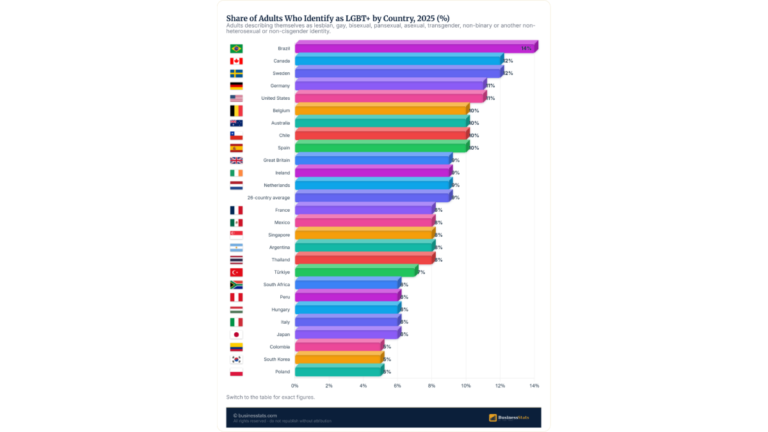
LGBTQI+ Online Dating Contents In This Report Overview Population Generations United States Identities Dating App Usage Harassment Grindr Other Apps The Law Entrapment Privacy Outlook Key Facts FAQ …
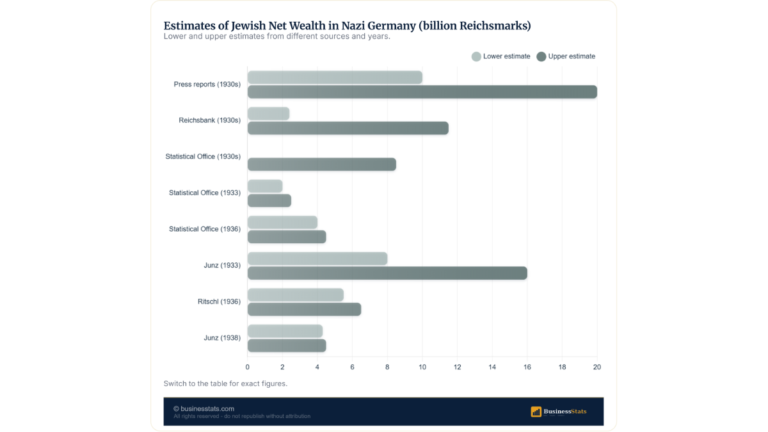
Jewish Wealth in Nazi Germany Contents In This Report Overview The Estimates Propaganda vs Reality Why They Vary Aryanization The Plunder How We Know Key Facts FAQ Sources …
Topics
This category is split into the following topics, each with its own indicators and sources.
Our standards
More categories